
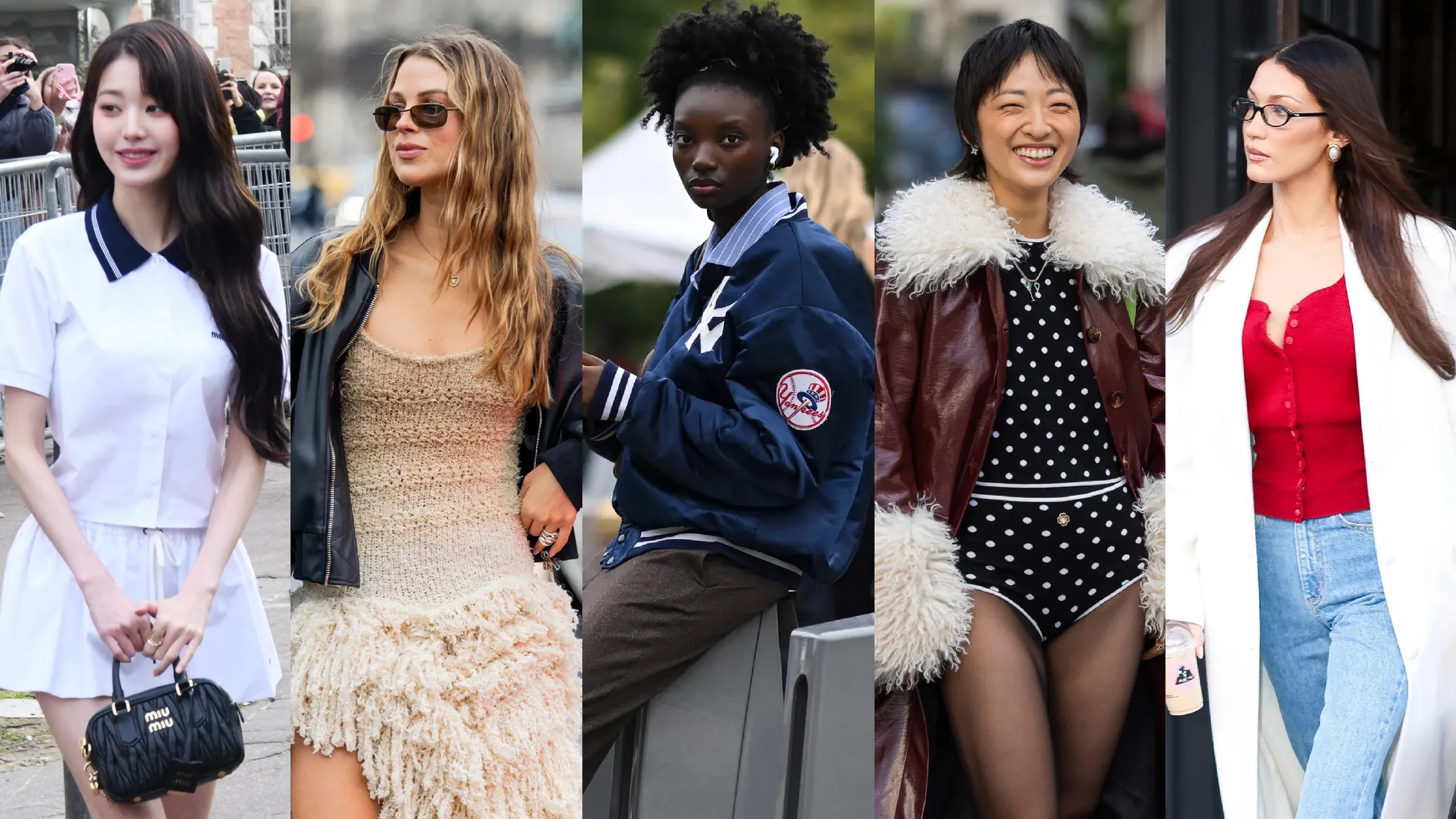
2025 fashion is an intriguing fusion of sustainable design, cultural nostalgia, and future innovation. This year’s fashion trends represent deeper ideals related to technological integration, self-expression, and environmental conscience in addition to beauty. Following years of changing trends brought about by social media, international influences, and quick technical advancements, the fashion industry has transformed into a distinctive fusion of highly customized styles, innovative textiles, and classic pieces updated for the contemporary day. The most notable aspect of 2025 is that there isn’t a one dominating style; rather, fashion has evolved into something more inclusive, flexible, and daring than it has ever been.
The emergence of smart clothes is one of the key trends in 2025 fashion. Fashion and technology have blended together to create clothing that does much more than simply look fantastic. Wearable technology is increasingly incorporated into clothing to track health, adapt to climate changes, and even charge gadgets. Imagine shoes that change form for optimal comfort, outfits that change color according to your mood, or coats with integrated solar panels. These developments have made commonplace clothing into useful accessories for contemporary living. Fashion is becoming both functional and fashionable because to the growing prevalence of smart textiles that can withstand stains, repel water, and even mend small rips.
Eco-friendly fashion is the talk of the town, and sustainability is still a major factor. 2025 consumers are very aware of how their clothing choices affect the environment, and manufacturers have reacted with creative solutions. Biodegradable textiles, recycled materials, and zero-waste manufacturing methods are becoming commonplace rather than specialized. Circular fashion models, in which clothing can be readily dismantled and recycled into new pieces, have been popular among designers. Renting and exchanging clothing has become commonplace, which keeps closets interesting and new while lowering textile waste. The appeal of vintage and thrifted clothes has increased even more, and many individuals are happy to combine high-tech futuristic items with secondhand discoveries to create a distinctive personal style.
The merging of the digital and real worlds is another significant theme influencing fashion in 2025. As the metaverse and virtual worlds have grown in popularity, individuals are spending money on digital fashion for their online personas in addition to real clothing. NFT apparel collections and virtual fashion shows are popular, and some ensembles even come in two versions: one for your virtual identity and one to wear in real life. Customers may try on digital designs before making a purchase thanks to augmented reality mirrors, which enhances the fun and interactive nature of the shopping experience. The combination of digital and physical media has given fashion a new dimension where the possibilities for creation are endless.
Although comfort is still very important, it has been reinterpreted with a modern twist. Designers have transformed comfort into stylish, multipurpose designs that seamlessly blend work, travel, and leisure after years of emphasizing comfortable loungewear. There is a lot of soft tailoring, large silhouettes, and adjustable fits that provide mobility without sacrificing style. Traditional fashion classifications are becoming more muddled by the rise of unisex and gender-neutral apparel. This strategy fits with the minimalist mentality that many customers are adopting in addition to promoting diversity.
An intriguing blend of earthy, soothing hues and striking, futuristic hues characterizes color trends for 2025. Soft neutrals that represent sustainability and a connection to nature, such as sand, stone, and clay, are popular in daily clothing. Meanwhile, neon pops, holographics, and metallics show up in statement pieces, demonstrating the impact of digital culture and technology. With the ability to change the color of an outfit with a single smartphone command, color-changing materials have emerged as a noteworthy invention that enhances the dynamic nature of personal expression.
Fabrics and textures have also changed significantly. Sustainable materials like hemp, bamboo, and organic cotton are readily accessible, but so are cutting-edge textiles like lab-grown leather, plant-based silk, and bioengineered textiles. These novel materials provide distinctive tactile and visual sensations in addition to lessening their negative effects on the environment. The creation of clothing has been completely transformed by 3D knitting and printing technologies, which enable complex patterns and personalized fits that were previously unattainable with conventional techniques.
Although it has developed into a more sophisticated style known as “elevated streetwear,” streetwear still has a significant effect. In 2025, you’ll witness shoes with couture-level detail, cargo trousers made of high-end materials, and hoodies worn with structured jackets. This blend of luxury and informal design produces a look that is adaptable to both formal and urban environments. In order to cater to younger, trend-savvy consumers, luxury firms have welcomed this movement and have partnered with streetwear designers and artists.
This year’s fashion trends are also heavily influenced by nostalgia. Trends from the early 2000s, late 1990s, and even the futuristic styles envisioned in the 1980s have returned due to fashion cycles. With contemporary tailoring and eco-friendly fabrics, low-rise jeans, metallic accessories, and cyberpunk-inspired ensembles are returning. Sleek techwear has blended with Y2K-inspired fashions to create a look that is both recognizable and innovative.
In 2025, accessories will be every bit as inventive as apparel. These days, bags double as gadget charging stations, jewelry has integrated health monitors, and eyewear include augmented reality screens for real-time information. Self-cleaning technologies, flexible soles, and customized hues have even revolutionized footwear. As accessories evolve into multipurpose living tools, the notion that they are just cosmetic is eroding.
Additionally, formal clothing has changed. People are choosing modular clothing that can be worn in many ways in place of stiff suits and gowns. One dress may feature adjustable hems and removable sleeves, which would make it easy to transition from a daytime to an evening piece. With wider shapes and unusual textiles that emphasize comfort without sacrificing style, men’s suits have become softer and more flowing. Brides and grooms now wear gowns that combine LED decorations or color-changing materials for dramatic effect, making weddings and special events showcases for both traditional craftsmanship and technological design.
Another characteristic that will define fashion in 2025 is cultural variety. Designers are incorporating regional elements into modern fashions while honoring history and traditional workmanship from throughout the globe. As a consequence, there is now a diverse array of materials, needlework, and designs that draw inspiration from Middle Eastern, Asian, African, and indigenous civilizations. As it embraces modernity, fashion has evolved into a medium for narrative and cultural identity preservation.
Over the last ten years, the trend of athleisure has developed into “performance fashion.” With smart textiles that can follow your body’s activity, wick away sweat, and adjust temperature, clothing is now made for everyday use as well as exercise. Performance gear has been a wardrobe mainstay due to its ability to combine style and practicality, making it attractive to both fitness aficionados and those who just want active comfort.
In 2025, social and political movements will also be closely linked to fashion. With designs that include messages like equality, climate change, and the role of technology in society, clothing has evolved into a platform for activism and self-expression. Customers might feel involved in broader discussions by wearing limited-edition clothing, which often makes powerful remarks or generates money for charitable organizations.
Experiences in retail have also altered significantly. Many consumers increasingly depend on AI-driven style apps that suggest clothes based on body shape, personal preference, and even forthcoming activities, rather than conventional shopping malls. While traditional shops have evolved into immersive environments that blend fashion, art, and interactive technology, virtual try-on technology guarantees accurate and easy online buying. Pop-up stores that allow customers to personalize their purchases in real time are growing in popularity because they combine entertainment and shopping.
The boundaries between men’s and women’s departments in retailers are being broken down by the growing acceptance of gender-fluid fashion. Nowadays, a lot of manufacturers offer collections that don’t have gender labeling, emphasizing styles and fits that work for all body types. People may express themselves genuinely without being constrained by antiquated conventions because to this inclusion, which mirrors the larger societal change toward acceptance and individualism.
Teenage and children’s fashion has also changed to reflect these shifts. Younger generations’ clothes reflect eco-friendly materials, adjustable features, and even integrated interactive components since they are very conscious of sustainability and digital culture. Smart uniforms that can be recycled or reused effectively and monitor comfort are becoming more and more common in schools.
2025 footwear trends are similarly futuristic. Although they are still quite popular, sneakers now have AI-assisted designs that maximize comfort and functionality. Standard features include eco-friendly recycled bottoms, color-shifting materials, and self-lacing shoes. Luxury footwear creates useful and valuable products by combining traditional craftsmanship with high-tech functionality. Modular-component boots and sandals let users change the look and functionality while they’re out and about.
Individuality is valued more than ever as fashion gets more customized and technologically advanced. People are creating outfits that express their own stories rather than adhering to a particular trend. AI styling aides enable users to try out various appearances by combining modern and old elements. There is no incorrect way to wear thanks to the democratization of fashion, which prioritizes individuality and innovation above uniformity.
In the end, 2025 fashion shows a world that embraces variety, creativity, sustainability, and individual liberty. Fashion is now more than just clothes; it’s an ecosystem that combines lifestyle, culture, and technology. The options are numerous, ranging from eco-friendly designs to digital fashion, from smart textiles to cultural resurgences. The trends of this year demonstrate that being connected, aware, and creative in our self-presentation to the outside world is more important for fashion in the future than just appearing fashionable.