
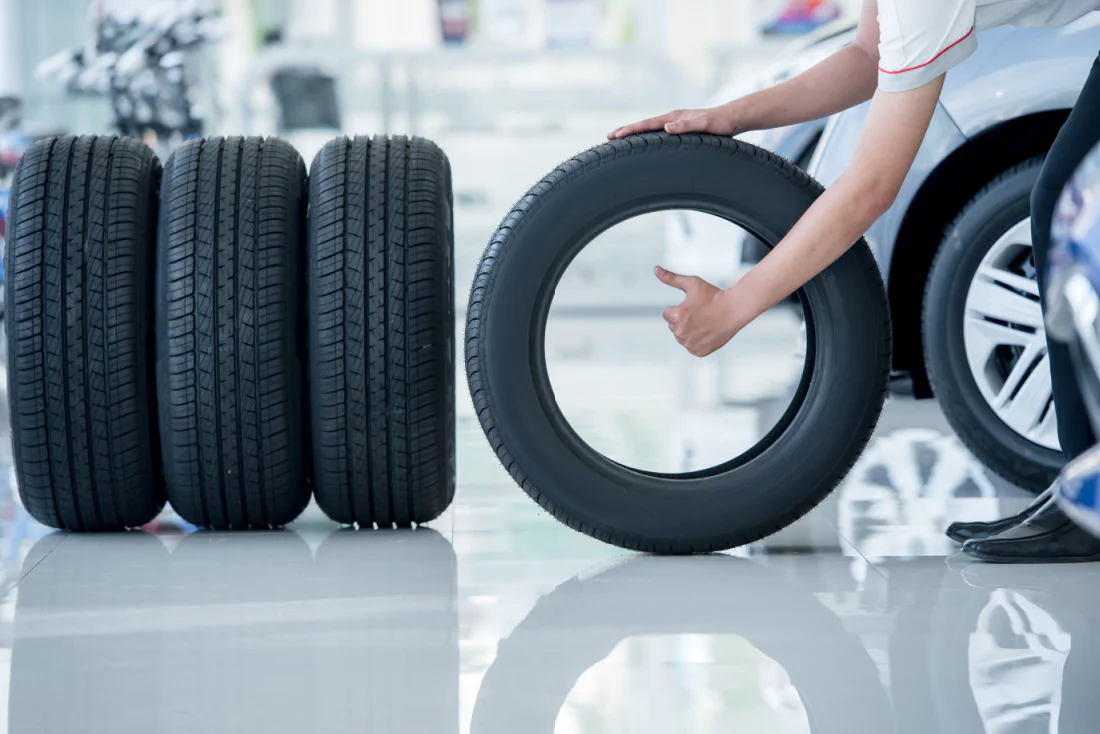
One of the most crucial choices you can make to guarantee performance, comfort, and safety on the road is selecting the appropriate tires for each season. As your car’s only point of contact with the road, tires have a direct impact on handling, braking, fuel economy, and the entire driving experience. Using the incorrect tire type may jeopardize performance and safety, and various weather situations need different tire qualities. Although tire technology has greatly improved in 2025, providing more longevity, grip, and flexibility, it is still crucial for all drivers to comprehend the fundamentals of seasonal tire selection.
Summer tires, winter tires, and all-season tires are the three primary types of seasonal tires. Summer tires provide exceptional traction on both dry and wet roads and are suited for warm weather. Their rubber formula maintains its firmness at greater temperatures, which enhances handling, braking, and turning. However, since the rubber hardens and lacks traction on ice or snowy surfaces, they perform worse in colder climates. Conversely, winter tires are designed especially to withstand cold weather, snow, and ice. Their tire patterns have deeper grooves and biting edges to increase grip, and their softer rubber composition maintains its flexibility even in frigid temperatures. The specialized performance of real summer or winter tires is unmatched by all-season tires, which are a compromise that are designed to function well in a range of weather situations, from mild winters to scorching summers.
Assessing your local environment and driving patterns is the first step in selecting the appropriate tires for each season. Purchasing a specific pair of winter tires is strongly advised if you reside in a region with harsh winters, a lot of snowfall, or slippery roads. They provide you greater control and confidence by drastically cutting down on stopping distances on ice and snow. All-season tires could be enough for year-round usage if you reside in an area with moderate winters and seldom below-freezing temperatures. Summer tires may improve performance and fuel economy for those who live in warm areas with little to no snowfall. It’s important to keep in mind that temperature is a major factor; winter tires work best below 7°C, while summer tires work best beyond that.
The kind of car you drive and how you operate it are other important factors. In warm weather, summer tires are quite beneficial for performance automobiles since they provide more grip for fast driving and precise handling. For improved grip and safety, SUVs and trucks that are operated in icy environments should have winter tires installed. All-season tires are a decent price-benefit ratio if you mostly use your car for city commuting and occasional highway travel in temperate climes.
Specifications and tire size are also important. Always consult the owner’s handbook or the tire placard located inside the driver’s door for the appropriate tire size, load rating, and speed rating specified by the vehicle manufacturer. Handling, braking, and even fuel economy may all be impacted by using tires of the incorrect size or grade. In addition, contemporary tires have enhanced wet-weather performance, reinforced sidewalls for increased durability, and noise reduction technologies. When choosing tires, you may wish to take these extra aspects into account, depending on your driving style.
The tread pattern of the tires should also be taken into consideration. Summer tires provide better traction in dry circumstances because they have greater surface area in contact with the road and fewer grooves. The aggressive tread patterns of winter tires bite into snow and ice with deeper grooves and sipes. The moderate tread patterns of all-season tires provide balanced performance in a variety of weather situations, although they function less well in very hot or extremely cold temperatures. Maintaining proper grip and safety for your tires requires routinely checking the tread wear indicators.
Another element that affects tire selection is budget. Premium tires from well-known brands may be more expensive up front, but they often last longer, perform better, and use less fuel, which saves money over time. Although they can seem like a good deal, cheaper tires can degrade fast and endanger safety. Regardless of the tire type you choose, maintaining your tires properly inflated, rotating them often, and obtaining wheel alignments when necessary may all help them last longer.
The greatest method to guarantee optimum performance and safety all year long for drivers who encounter noticeable seasonal variations is to alternate between summer and winter tires. To make it easier to switch them out when the seasons change, many people purchase two sets of wheels: one with winter tires and one with summer tires. Since each pair of tires is only utilized during its designated season, this method may be more expensive initially, but it prolongs the life of each set.
Knowing the limits of all-season tires is crucial if you want to use them. They are really a compromise, even if they are practical and do away with the necessity for seasonal adjustments. They won’t provide the same handling and accuracy as summer tires in hot weather, nor will they offer the same amount of grip as winter tires on ice. All-season tires are still a sensible and affordable option for drivers in areas with moderate temperatures and no severe weather.
All-weather tires, which vary somewhat from conventional all-season tires, were also made possible by technological developments in 2025. The three-peak mountain snowflake insignia seen on winter tires is a feature of all-weather tires, which are designed to satisfy the strict snow service standards. These tires may be used all year round, but they perform better in the winter than standard all-season tires. For drivers who don’t want to change their tires yearly and live in areas with mild to moderate winters, they are the perfect compromise.
In addition to tire type, routine maintenance is crucial to ensure your tires function effectively throughout the year. Because overinflated tires may reduce grip and comfort, while underinflated tires increase rolling resistance, decreasing fuel economy and increasing wear, proper inflation is essential. A quick and easy method to maintain the best possible condition for your tires is to check your tire pressure before lengthy excursions and at least once a month. Periodically balancing and aligning your wheels improves handling and safety while preventing uneven wear.
When selecting tires for various seasons, safety should always come first. Purchasing the appropriate tires may greatly lower the chance of collisions brought on by inadequate traction, particularly in inclement weather. Insufficient traction from the tires limits the effectiveness of even the greatest braking system and driver aid technology. Tires are the cornerstone of your vehicle’s safety system because they have a direct impact on how effectively your vehicle reacts in an emergency.
In the end, your local climate, driving preferences, and financial situation will determine which tires are best for each season. Having distinct summer and winter tires is the best option for areas with significant seasonal variations in order to get optimal performance under all circumstances. All-season or all-weather tires might be a sensible and affordable option in places with moderate temperatures. Whichever alternative you choose, be sure the tires fit the necessary specs for your car and always put quality first.
We may anticipate even more adaptable possibilities in the future as tire technology develops further, such as smart tires that modify their performance in response to road conditions. But for the time being, choosing tires that are appropriate for your area and keeping them in good condition are the greatest ways to remain secure and comfortable all year round. No matter the season, choosing the correct tires can ensure you get the most out of your car by improving safety, fuel economy, ride comfort, and overall driving experience.