
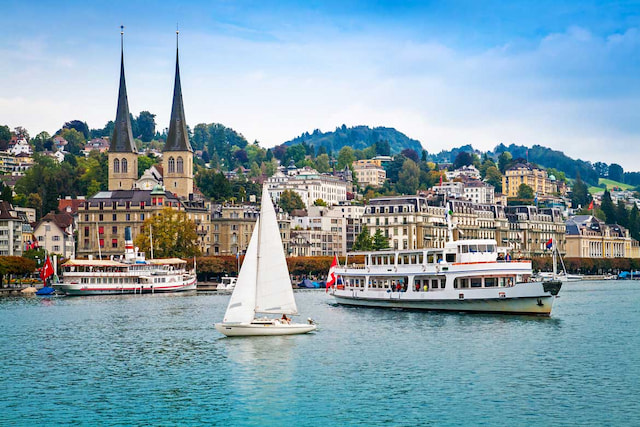
Switzerland, with its stunning Alpine landscapes, pristine lakes, and vibrant cities like Zurich and Geneva, remains a top destination for travelers worldwide. As of 2025, obtaining a visa is essential for many visitors to ensure seamless entry into this Schengen Area member country. This guide covers the key visa types, requirements, and application process, helping you prepare effectively. Whether you’re eyeing the best all-inclusive Switzerland travel packages for adventure enthusiasts or planning a solo cultural exploration, understanding visa protocols is crucial to avoid delays. Note that recent updates, including the rollout of the EU Entry/Exit System (EES) in October 2025, may impact border procedures for all non-EU nationals.
Types of Switzerland Visas
Switzerland offers visas categorized primarily under the Schengen framework, allowing travel across 27 European countries. The main types are based on stay duration and purpose.
Schengen Visa (Type C)
This short-stay visa permits up to 90 days within any 180-day period for tourism, business, or family visits. Subtypes include:
- Tourist/Visitor Visa: Ideal for sightseeing or visiting relatives.
- Business Visa: For meetings, conferences, or short-term professional activities.
- Transit Visa: For airport layovers en route to non-Schengen destinations.
- Medical, Cultural, or Study Visa (Short-Term): For treatments, events, or courses under 90 days.
Multiple-entry options allow repeated visits, but total stay cannot exceed 90 days.
National Visa (Type D)
For stays exceeding 90 days, this long-stay visa is required and often leads to a residence permit. Common subtypes:
- Work Visa: For employment, subject to quotas (e.g., 3,500 for UK specialists in 2025) and cantonal approval.
- Student Visa: For full-time studies at recognized institutions.
- Family Reunion Visa: For joining Swiss or EU/EFTA family members.
- Retirement or Business Setup Visa: For non-working long-term residents with sufficient funds.
From January 2025, Croatian nationals gain full labor market access, easing work visa processes for them.
Other Specialized Visas
These include asylum applications processed by the State Secretariat for Migration (SEM) and limited territorial validity visas for restricted travel.
Requirements for a Switzerland Visa
Requirements vary by visa type and nationality, but all applicants must meet core criteria. Always check country-specific rules via the Swiss embassy.
General Requirements
- A valid passport issued within the last 10 years, with at least three months’ validity beyond your planned departure and two blank pages.
- Completed Schengen visa application form (downloadable online), signed twice.
- Two recent passport-sized photos adhering to ICAO standards.
- Proof of travel medical insurance covering at least €30,000 for emergencies.
- Evidence of sufficient funds (e.g., bank statements showing CHF 100 per day for tourists).
- Flight itinerary, proof of accommodation, and a cover letter explaining your trip.
Specific Requirements by Visa Type
For a tourist visa, include an invitation letter if staying with hosts or hotel bookings. Business applicants need company letters and conference invites. Long-stay visas require additional documents like job offers, university acceptance letters, or marriage certificates for family reunions. In 2025, stricter documentation for Indian applicants includes updated checklists to reduce fraud, potentially increasing rejection rates.
Criminal records and language proficiency proof may apply for immigrant visas.
Also Read: Switzerland in October 2025: Weather, Insider Tips, Best Time to Visit, and Things to Do!
Application Process
The process is straightforward but time-sensitive—apply 15 days to six months before travel.
Step-by-Step Guide
- Determine Eligibility and Type: Use tools like the Swiss government’s visa wizard to confirm needs.
- Gather Documents: Compile all required items based on your category.
- Book an Appointment: Schedule via the Swiss embassy, consulate, or VFS Global (mandatory in locations like New York and San Francisco from October 2025).
- Submit Application: Attend in person, provide biometrics (fingerprints and photo), and pay fees. For long-stay visas, cantonal approval follows.
- Attend Interview: Answer questions on your background, finances, and itinerary (10-15 minutes).
- Track and Collect: Use online portals; decisions arrive via email or post.
Processing takes 15 working days on average but can extend to 60 days during peak seasons.
Fees and Processing Times
Schengen visa fees are €90 for adults, €45 for children aged 6-12, and free for under-6s or certain family members. Long-stay visas cost €47-94, non-refundable even if rejected.
Expect longer waits in summer; apply early.
Tips for a Successful Application
Submit complete, accurate documents to avoid rejections. Many customized Switzerland travel packages for families offer visa assistance, streamlining preparations. Consider consulting professionals for complex cases. With ETIAS launching mid-2025 for visa-free travelers, stay updated via official sites.
Conclusion
Navigating Switzerland’s visa system in 2025 requires careful planning, but it’s rewarding for experiencing its chocolate factories, ski resorts, and efficient trains. By following this guide, you’ll be well-prepared. For personalized advice, visit eda.admin.ch or contact your local Swiss representation.